Author: tinajuu5375@hotmail.com

  • How I Finally Stopped Chasing Quick Fixes and Started Loving My Body (Gut Health, Mindfulness & More)

    How I Finally Stopped Chasing Quick Fixes and Started Loving My Body (Gut Health, Mindfulness & More)

    Hey friend,

    Okay, so confession time. For years, I was that girl. You know the one—always on the hunt for the next magic bullet. The green juice that would erase my bloat, the meditation app that would silence my anxious brain, the “sleep hack” that would give me eight perfect hours. I’d buy the fancy supplements, try the restrictive diets, and then wonder why I still felt… off. Like I was running on fumes and a whole lot of self-criticism.

    Then, about a year ago, I hit a wall. I was exhausted, my digestion was a mess (let’s just say my stomach and I were not on speaking terms), and I couldn’t fall asleep without doom-scrolling until 2 AM. I remember sitting on my kitchen floor, crying over a kale salad I didn’t even want to eat, thinking, “There has to be a better way.” And spoiler alert: there is. It’s not a quick fix. It’s a gentle, whole-life shift. It’s what I now call my “soft wellness” era, and it starts with four things: gut health, mindfulness, a plant-based diet, and sleep hygiene. Let me walk you through what actually worked for me.

    My Gut Health Reckoning (And Why I Stopped Hating My Stomach)

    I used to think my bloating and brain fog were just… me. Like, “Oh, I’m just a person who gets tired after lunch and feels puffy by 5 PM.” But then I started reading about the gut-brain axis, and it clicked. Our gut isn’t just for digestion—it’s basically our second brain. It talks to our mood, our immunity, our energy. And mine was screaming for help.

    So, I started small. I didn’t go on a crazy elimination diet. Instead, I added things. I started my mornings with a warm glass of water and lemon (simple, I know, but it wakes up the system). Then, I swapped my sugary yogurt for plain, plant-based yogurt with a spoonful of ground flaxseed and some berries. The first week, I honestly felt a little worse—like my gut was detoxing from all the processed stuff. But by week two? I woke up feeling lighter. Not just in my stomach, but in my head. The fog lifted.

    One afternoon, I was at a coffee shop with my best friend, and she ordered a pastry. I almost joined her out of habit, but I paused. I asked myself, “What does my gut actually want right now?” The answer was a warm cup of ginger tea. I ordered it, and I didn’t feel deprived. I felt proud. That moment was a turning point. I realized gut health isn’t about restriction—it’s about listening. It’s about feeding the good bacteria so they can fight for you, not against you.

    How Mindfulness Saved Me From My Own Brain (And My Dinner Plate)

    I used to think mindfulness meant sitting cross-legged on a cushion for 20 minutes, chanting “om.” And honestly, that sounded awful. I have a toddler, a freelance business, and a rescue dog who thinks my yoga mat is a chew toy. So I gave myself permission to redefine it.

    For me, mindfulness started at the dinner table. I used to eat while scrolling Instagram, barely tasting my food. I’d finish a bowl of pasta and realize I didn’t even remember eating it. So I tried something radical: I put my phone in another room. I sat down at the table, took three deep breaths, and looked at my food. I noticed the colors, the smells. I took one bite and chewed slowly. It felt weird at first. But then, something shifted. I started actually enjoying my meals. I noticed when I was full. I stopped craving snacks an hour later.

    Here’s a real-life moment: Last Tuesday, I was having a stressful day. I felt that familiar urge to grab a bag of chips and eat them mindlessly in front of the TV. Instead, I paused. I asked myself, “What do I really need?” The answer wasn’t chips. It was a five-minute walk around the block to breathe fresh air. I did it, and the craving passed. That’s mindfulness in action—not perfection, just a gentle pause. It’s the bridge between what we feel and what we choose.

    Plant-Based Eating (Without the Pressure to Be Perfect)

    I’m not a “strict” vegan. I’m a “mostly plants, with grace” kind of girl. But shifting to a plant-based diet—even 80% of the time—has been a game-changer for my gut and my sleep. The fiber in veggies, beans, and whole grains feeds those good gut bacteria I mentioned. And when my gut is happy, my body seems to know how to wind down at night.

    I started by swapping one meal a day. Breakfast was the easiest: oatmeal with almond milk, banana, and a sprinkle of cinnamon. Lunch became big salads with chickpeas and tahini dressing. Dinner? I discovered the magic of lentil bolognese—it’s hearty, comforting, and I don’t miss the meat at all. The best part? I stopped feeling that heavy, sluggish feeling after meals. No more post-lunch slumps. I have more energy to play with my son, to write, to just be present.

    And here’s the honest truth: I still eat cheese on pizza with my friends sometimes. And that’s okay. The goal isn’t perfection. It’s progress. It’s choosing the plant-based option most of the time because it makes me feel good, not because I’m punishing myself.

    Sleep Hygiene: My Non-Negotiable Love Affair with Rest

    If you’d told me a year ago that I’d be in bed by 9:30 PM, I would have laughed. I was a night owl, proud of my late-night creativity. But then I realized my “creative” hours were actually just anxious hours. I’d lie in bed, heart racing, thinking about everything I hadn’t done. So I created a wind-down routine that feels like a warm hug.

    Here’s what it looks like:

    • 8:00 PM: I dim the lights in my house. No harsh overheads, just lamps.
    • 8:15 PM: I make a cup of chamomile tea with a dash of ashwagandha powder (a calming adaptogen).
    • 8:30 PM: I put my phone on airplane mode and read a physical book. Currently, it’s a cozy mystery novel.
    • 9:00 PM: I do a 5-minute body scan meditation. I just lie in bed and notice my toes, my belly, my breath.
    • 9:30 PM: Lights out. And I actually fall asleep within minutes.

    I used to think I was too busy for this. But the truth is, I’m too busy *not* to do it. When I prioritize sleep, I’m a better mom, a better friend, and a kinder person to myself. The other night, I woke up at 3 AM and felt the urge to grab my phone. Instead, I just breathed. I told myself, “Rest is productive.” And I fell back asleep. That’s the power of sleep hygiene—it’s a practice of self-trust.

    My Heartfelt Takeaway

    So here’s what I’ve learned on this journey: holistic wellness isn’t a checklist. It’s not about having a perfect gut, a clear mind, or a spotless diet. It’s about showing up for yourself, day after day, with kindness. It’s the moment you choose the ginger tea over the pastry, the walk over the chips, the early bedtime over the scroll. It’s messy, it’s imperfect, and it’s so worth it.

    I still have days where I eat too much sugar and stay up late watching a show. And on those days, I don’t beat myself up. I just wake up the next morning, drink my lemon water, and start again. Because that’s what wellness really is—a gentle, loving return to yourself.

    Thank you for being here, for reading, for trying. You’re doing amazing, even on the hard days. And if you take one thing from this post, let it be this: your body is not a problem to be fixed. It’s a home to be loved.

    Sending you all the warm, cozy vibes,

    Emma 🤍
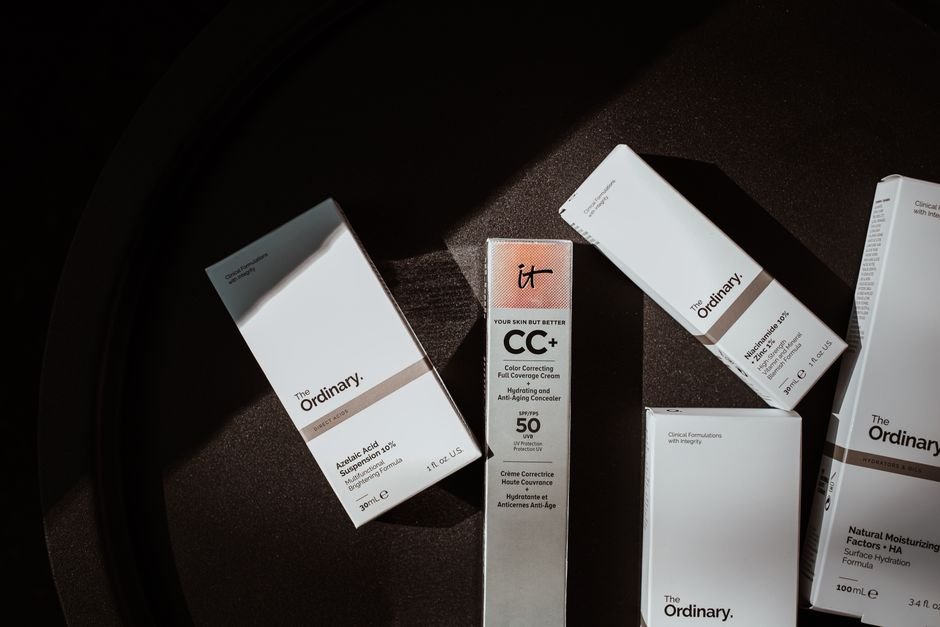
  • My Honest Clean Beauty Journey: Skincare, Anti-Aging, and the Makeup I Actually Love

    My Honest Clean Beauty Journey: Skincare, Anti-Aging, and the Makeup I Actually Love

    Hey friend, grab your coffee (or tea, no judgment here) and get cozy. I’m sitting here in my favorite oversized sweater, my skin still dewy from this morning’s routine, and I just have to share something that’s been on my heart for a while. You know how we all hit that point where we look in the mirror and think, “Okay, what am I actually putting on my face?” For me, that moment came about three years ago, after a particularly stressful week. I was slathering on my usual night cream, and I caught a whiff of something that smelled… well, like a science experiment. I literally put the jar down, stared at it, and thought, “If I wouldn’t eat this, why am I rubbing it into my skin?” That was my clean beauty wake-up call. And honey, it changed everything.

    I’m not here to preach or make you feel bad about your drugstore mascara. I’m here to share what I’ve learned, the mistakes I’ve made, and the products that actually work. Because let’s be real—clean beauty can feel like a confusing maze of buzzwords like “natural,” “non-toxic,” and “cruelty-free.” But when you strip it all away, it’s really about loving your skin and the planet at the same time. So let’s dive into my honest routine, some anti-aging secrets that don’t cost a fortune, and the cruelty-free makeup that makes me feel like me.

    My Clean Skincare Routine: Simple, Effective, and Full of Natural Ingredients

    I’ll be the first to admit: I used to have a 12-step routine that took half an hour. It was exhausting, and my skin was actually rebelling—redness, breakouts, the works. When I switched to clean beauty, I realized that less really is more. Now, my routine is built around three core principles: hydration, protection, and respect for my skin barrier. And I’ve found that natural ingredients are the stars of the show.

    Let me walk you through a typical morning. I start with a gentle cleanser—right now, I’m obsessed with one that has green tea and aloe vera. It’s so mild that my skin doesn’t feel tight or stripped. Then, I apply a vitamin C serum. I know, I know, vitamin C is everywhere, but hear me out: it’s a powerhouse for anti-aging because it brightens, evens out tone, and fights those free radicals that cause fine lines. I get mine from a brand that uses organic rosehip oil and ferulic acid—no synthetic fragrances. After that, a lightweight moisturizer with squalane (which is actually derived from olives, not sharks, thank goodness) and a few drops of jojoba oil if I’m feeling dry. And always, always SPF. I use a mineral sunscreen with zinc oxide—it’s like a cozy blanket for my skin.

    One evening, I was doing my routine and my husband walked in. He sniffed the air and said, “You smell like a garden. I like it.” And I laughed because he’s right—my products smell like real things: lavender, chamomile, citrus. Not like a lab. That’s the beauty of natural ingredients. They’re gentle, they’re effective, and they don’t leave me wondering what “parfum” really means. Plus, my skin has never been calmer. I used to get these little red bumps on my chin, and they’ve vanished since I ditched the synthetic stuff. It’s not magic—it’s just giving your skin what it actually needs.

    Anti-Aging Tips That Don’t Involve a Scalpel (or a Credit Card)

    Okay, let’s talk about aging. I’m in my mid-thirties, and I’ll be honest: I’ve had moments where I stared at a new crow’s foot and wanted to cry. But clean beauty taught me that anti-aging isn’t about erasing every line—it’s about nourishing your skin so it ages gracefully. And guess what? Some of the best tips are totally free.

    First, sleep on your back. I know, it’s hard if you’re a side sleeper like me. But I started using a silk pillowcase (which is also great for your hair), and it’s made a difference. Less creasing, less tugging. Second, hydrate from the inside out. I keep a huge water bottle on my desk and add cucumber slices or a splash of lemon. It sounds basic, but when I’m dehydrated, my fine lines look like canyons. Third, incorporate a retinol alternative. I can’t use strong retinol because it irritates my sensitive skin, so I use bakuchiol—it’s a plant-based ingredient that mimics retinol without the redness. I mix it into my night cream twice a week, and it’s smoothed out those little forehead lines I was panicking about.

    Here’s a personal story: last winter, I was at a holiday party, and a friend I hadn’t seen in a year said, “Emma, you look so… rested. What’s your secret?” I laughed because I had a toddler at home and was definitely not rested. But my skin looked plump and glowy because I’d been consistent with my clean routine. I told her about my bakuchiol serum and she literally wrote it down on a napkin. That moment reminded me that anti-aging isn’t about expensive creams—it’s about consistency and ingredients that work with your skin, not against it.

    Cruelty-Free Makeup That Feels Good (Inside and Out)

    Now, let’s get to the fun part: makeup. I used to think that “cruelty-free” meant sacrificing pigment or staying power. Boy, was I wrong. I’ve found brands that are certified cruelty-free and Leaping Bunny approved, and their formulas are incredible. My current everyday look is all about enhancing what I’ve got without caking it on.

    I start with a tinted moisturizer that has SPF—it’s from a brand that uses coconut water and aloe. It gives me a “your skin but better” finish. Then, a cream blush in a peachy shade—I just tap it on my cheeks and it melts in. For eyes, I use a mascara that’s made with beeswax and natural pigments. It doesn’t flake or smudge, and I don’t feel guilty about the raccoon eyes at the end of the day because it’s gentle. And lips? A tinted balm with shea butter and pomegranate oil. It’s so hydrating that I don’t even need a separate lip treatment.

    One morning, I was rushing to drop my daughter at school, and I grabbed a lipstick from my old collection. I put it on and within an hour, my lips felt dry and weird. I wiped it off and went back to my clean balm. That little moment reminded me why I made the switch: my skin deserves products that care for it, not just cover it. And knowing that no animals were harmed in making my makeup? That’s a feeling that makes me smile every time I do my routine.

    Here’s a quick list of my cruelty-free favorites if you’re curious:

    • Foundation: A lightweight, water-based formula with hyaluronic acid.
    • Blush: Cream stick in a warm rose—easy to blend with fingers.
    • Mascara: Tubing style that comes off with warm water.
    • Lip balm: Tinted with SPF—perfect for everyday.
    • Setting spray: Aloe and green tea mist—refreshing and keeps makeup in place.

    So here’s my heartfelt takeaway, friend: clean beauty isn’t about perfection. It’s not about having a bathroom full of expensive glass bottles or being a skincare guru. It’s about making small, intentional choices that honor your skin, your values, and your wallet. When I switched, I didn’t do it overnight. I replaced one product at a time, read labels, and listened to my skin. And now, when I look in the mirror, I see someone who’s aging with grace, not fear. I see lines from laughing too hard, and I see a glow that comes from inside. That’s the real beauty secret: loving yourself enough to choose what’s good for you. So go ahead, start with one swap—maybe a cleanser or a lip balm—and see how it feels. Your skin will thank you, and so will the planet. 🤍

  • Finding My Rhythm: Minimalist Living, Digital Nomad Life, and the Self-Care Routine That Actually Works

    Finding My Rhythm: Minimalist Living, Digital Nomad Life, and the Self-Care Routine That Actually Works

    Hey friend,

    I’m sitting here in a tiny café in Lisbon, sipping a flat white that’s just a little too bitter, with my laptop open and a notebook full of scribbles. Outside, the sun is golden, and the cobblestones are still wet from the morning rain. This is my office today. Tomorrow, it might be a co-working space in Barcelona or a park bench in Chiang Mai. And honestly? It took me a long time to admit that this life—the one I dreamed about for years—sometimes feels like a beautiful, chaotic mess.

    But here’s the thing: I’ve learned that the secret isn’t in having the perfect location or the most Instagrammable workspace. It’s in the small, intentional choices I make every day to stay grounded. Today, I want to share what I’ve discovered about minimalist living, digital nomad life, and the self-care routines that actually keep me sane. Grab your coffee (or tea, no judgment), and let’s get real.

    Why I Let Go of Half My Stuff (And Kept the Rest in a Backpack)

    I remember the day I packed up my apartment in Seattle. I had a three-bedroom place filled with furniture I’d collected over a decade—a vintage armchair from a thrift store, a bookshelf I built myself, and more kitchen gadgets than a small restaurant. When I decided to become a digital nomad, I had to face a hard truth: I couldn’t take it all. I had to choose what mattered.

    So I sold, donated, or gave away about 80% of my belongings. It was terrifying at first. I kept thinking, “What if I need that blender? What if I miss that lamp?” But you know what happened? I didn’t miss any of it. What I did miss was the feeling of being weighed down. Now, my entire life fits into a 40-liter backpack and a small carry-on. And it’s not just about the stuff—it’s about the mental space. When I have fewer things to manage, I have more energy for the things that actually make me happy: writing, exploring, and connecting with people.

    One of my favorite minimalist practices is the “one in, one out” rule. If I buy a new scarf in a market in Marrakech, I donate one I already have. It’s not about deprivation; it’s about being mindful. I ask myself, “Does this add value to my life, or is it just filling a void?” And honestly, most of the time, the answer is no.

    My Digital Nomad Self-Care Routine (That Actually Fits in a Backpack)

    Let’s talk about self-care, because the “self-care” I see on social media—bubble baths, face masks, and fancy candles—is not always realistic when you’re hopping between hostels and Airbnbs. My version of self-care is simpler and way more practical.

    I have a non-negotiable morning routine, even when I’m in a new time zone. It takes exactly 15 minutes:

    • Five minutes of deep breathing: I sit on the floor (or the edge of my bed if the floor is cold) and just breathe. In for four counts, out for six. It calms my nervous system, especially when I’m feeling anxious about work or travel.
    • Five minutes of journaling: I write down one thing I’m grateful for and one intention for the day. It’s not fancy—just a cheap notebook and a pen. But it keeps me grounded.
    • Five minutes of stretching: I do a few simple yoga poses—cat-cow, forward fold, and a gentle twist. It helps my body after sleeping on different mattresses every week.

    I also have a “digital sunset” rule. At least an hour before bed, I put my phone on airplane mode and read a physical book. I know, I know—it sounds old-fashioned. But I’ve noticed that when I don’t scroll through Instagram right before sleep, I wake up feeling more rested and less anxious about everyone else’s highlight reels.

    And here’s a little secret: I allow myself one “lazy day” every week. No work, no planning, no guilt. I just wander, eat whatever I want, and nap. It’s the best form of self-care I’ve found, and it doesn’t cost a thing.

    Work-Life Balance When Your Office Is Everywhere (and Nowhere)

    This is the hardest part, and I’m still figuring it out. When your work and your life happen in the same space—whether that’s a café, a co-working space, or a hammock in Bali—it’s so easy to blur the lines. I used to answer emails at midnight and feel like I was always “on.” It was exhausting.

    So I created a simple system that changed everything. I set “office hours” for myself, even though I’m self-employed. From 9 AM to 1 PM, I’m in deep work mode—no social media, no personal calls. Then I take a real lunch break (not eating over my laptop). From 2 PM to 5 PM, I handle lighter tasks like emails and client calls. After 5 PM, my laptop goes into my backpack, and I don’t touch it until the next morning.

    I also use a technique I call “the 80% rule.” I don’t try to be perfect. If I finish a project at 80% quality, I let it go. That extra 20% takes twice as long and rarely makes a difference. This has saved me from burnout more times than I can count.

    And when I feel the guilt creeping in—that voice that says I should be working more—I remind myself: I didn’t choose this lifestyle to work more. I chose it to live more. So I close my laptop, put on my sneakers, and go for a walk. The work will still be there tomorrow. The sunset won’t.

    One last thing: I’ve stopped comparing my journey to others. I unfollowed accounts that made me feel like I wasn’t doing enough. I stopped measuring success by how many countries I’ve visited or how much money I’ve made. Instead, I measure it by how I feel at the end of the day. Do I feel peaceful? Did I connect with someone? Did I learn something new? That’s my real metric now.

    So here’s my heartfelt takeaway, friend: Minimalist living isn’t about owning less. It’s about making room for more of what matters. Self-care isn’t a luxury—it’s a necessity, even if it’s just five minutes of breathing. And work-life balance? It’s not a destination you reach; it’s a rhythm you keep adjusting, day by day.

    Wherever you are in your journey—whether you’re dreaming of a nomadic life or just trying to find a little more peace in your routine—I hope you give yourself permission to let go of what doesn’t serve you. You deserve to live intentionally, on your own terms.

    With so much love,
    Emma 🤍

  • Why I’m Finally Ditching Fast Fashion (And You Can Too, One Step at a Time)

    Why I’m Finally Ditching Fast Fashion (And You Can Too, One Step at a Time)

    You know that feeling when you open your closet and see a sea of clothes, but somehow feel like you have nothing to wear? I used to live in that cycle—buying a cheap top for a night out, wearing it twice, and then watching it fade into the abyss of unworn garments. A few months ago, I had a mini meltdown over a pair of jeans that ripped after three washes. I sat on my bedroom floor, surrounded by a pile of “fast fashion regrets,” and realized something had to change. That’s when I started my slow, messy, and incredibly freeing journey into sustainable fashion.

    Let me be real with you: I’m not a minimalist guru with a perfectly curated closet. I’m a girl who loves a good sale and has a soft spot for a cozy sweater. But I’ve learned that sustainable fashion isn’t about being perfect—it’s about being intentional. And one of the first things I tried was building a capsule wardrobe. It sounded intimidating at first, like I’d have to throw away everything I own and start over. But nope. A capsule wardrobe is just a small collection of versatile, high-quality pieces you love. I started with 10 core items: a classic white tee, a pair of dark wash jeans, a black blazer, a neutral cardigan, a little black dress, a denim jacket, a pair of leather sneakers, ankle boots, a silk scarf, and a simple crossbody bag. That’s it. And guess what? I’ve worn these pieces in about 30 different combinations over the past two months. It’s like a fashion puzzle, and I’m totally hooked.

    Street Style Meets Slow Fashion: How I Dress Without the Guilt

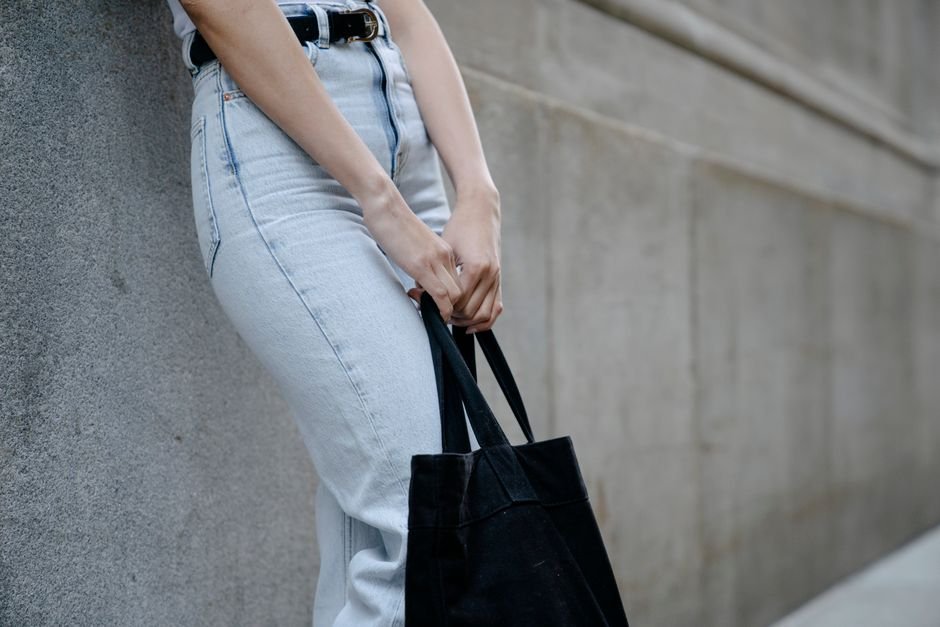
    Now, I know what you might be thinking: “But Emma, I want to look trendy! I don’t want to look like I’m stuck in 2015.” I get it. I love street style—the effortless cool of a chunky sneaker with a flowy dress, or a oversized blazer thrown over ripped jeans. The good news? Slow fashion and street style can totally coexist. The key is to focus on timeless silhouettes and then add a seasonal trend or two as a “splash.” For example, this spring, I treated myself to a pair of wide-leg linen trousers from a small, ethical brand. They were a bit of a splurge, but I know I’ll wear them for years. I pair them with my trusty white tee and a vintage leather belt I found at a thrift store. That’s my street style moment—simple, chic, and guilt-free.

    I remember one afternoon last fall, I was rushing to meet a friend for coffee and threw on my favorite oversized knit sweater (bought secondhand), some high-waisted jeans (from a sustainable denim brand), and a pair of chunky combat boots (that I’ve had for four years). My friend said, “You always look so put together!” And I laughed because I literally spent two minutes on that outfit. That’s the magic of a capsule wardrobe with a slow fashion mindset—you stop chasing every micro-trend and start dressing for *you*. Seasonal trends become fun accents, not the main event. This season, I’m loving earthy tones and a pop of chartreuse green. I bought a secondhand scarf in that color for $8, and it makes all my neutral outfits feel fresh. See? Easy.

    Three Simple Steps to Start Your Slow Fashion Journey

    If you’re feeling inspired but overwhelmed, let me break it down into three baby steps that actually work. Because let’s be honest, we’re all busy, and no one has time for a full closet overhaul on a Tuesday.

    • Step 1: Do a “Love It or Leave It” Audit — Grab a cup of tea, put on your favorite playlist, and pull everything out of your closet. Try on each piece. If it doesn’t fit well, make you feel good, or you haven’t worn it in a year, set it aside. Donate, sell, or swap it. I did this and found a dress I forgot I owned—it became my go-to for brunch dates.
    • Step 2: Invest in One High-Quality Staple — Instead of buying five cheap tees, buy one that’s made of organic cotton or linen and will last. I splurged on a pair of leather boots from a brand that repairs them for life. They were expensive, but I’ve worn them 200+ times. Cost per wear? Pennies.
    • Step 3: Embrace Secondhand and Swaps — Thrift stores, consignment shops, and clothing swaps are your new best friends. I went to a swap party last month and came home with a gorgeous cashmere sweater and a pair of vintage earrings. I traded a dress I never wore. It felt like magic—and my wallet was happy.

    One of my favorite personal moments was when I found a vintage Levi’s jacket at a thrift store for $15. It had a small stain, but I soaked it in vinegar and baking soda, and it came out perfectly. Now I wear it with everything—jeans, dresses, even over a silk slip for date night. That jacket tells a story, and I love that it’s not mass-produced. It’s slow fashion in action.

    The Heart of It All: Why I’m Never Going Back

    Here’s the honest truth: sustainable fashion isn’t always easy. It takes more time to research brands, hunt for secondhand gems, and resist the dopamine hit of a fast-fashion haul. But every time I wear a piece that I truly love, that fits my body and my values, I feel a little lighter. I’m not just consuming—I’m curating a wardrobe that reflects who I am. And the planet? It breathes a little easier too.

    So if you’re reading this and feeling like you need to be perfect to start, let me give you permission to be messy. Buy one less fast-fashion item this month. Try a clothing swap. Mend a button. Wear that old dress with new confidence. You don’t have to overhaul your entire life overnight. Just start. I promise, the joy of slow fashion is worth every small step.

    Here’s to closets full of stories, outfits that make us smile, and a world that’s a little more sustainable—one outfit at a time. 🤍

  • The Art of Less: How Minimalist Living and Digital Nomad Life Taught Me to Actually Breathe

    The Art of Less: How Minimalist Living and Digital Nomad Life Taught Me to Actually Breathe

    You know that feeling when your to-do list is longer than your attention span, your inbox is screaming at you, and your apartment looks like a craft store exploded? Yeah, me too. For years, I thought being busy was the same as being productive. I was a digital nomad before I knew the term—working from coffee shops in Bali, hostels in Lisbon, and co-working spaces in Chiang Mai. But here’s the truth I didn’t share on Instagram: I was exhausted. My suitcase was a chaotic mess of “just in case” items, my self-care was a 3-minute shower, and my work-life balance was a joke. That’s when I stumbled into minimalist living—not as a trend, but as a lifeline. Today, I want to share how this shift changed everything, and how you can start too, even if you’re not living out of a backpack.

    Why Minimalist Living Is the Ultimate Self-Care Routine

    Let me paint you a picture. Last year, I was in a tiny apartment in Medellín, Colombia, with a pile of clothes I’d bought at a flea market that I never wore. My desk was covered in sticky notes, cables, and half-empty water bottles. I felt like my brain was a browser with 47 tabs open. One afternoon, I couldn’t find my passport to catch a flight, and I literally sat on the floor and cried. That was my wake-up call.

    I decided to do a “30-day minimalism challenge” I’d read about online. Every day, I got rid of one item. Sounds simple, right? But here’s what happened: after week two, I started noticing how much space—physical and mental—I was creating. I donated clothes I’d been holding onto for “someday.” I sold my extra phone charger. I even let go of a souvenir mug from a trip that reminded me of a bad breakup. And you know what? I didn’t miss a single thing. Instead, I felt lighter. My morning routine went from frantic searching to peaceful sipping of coffee. That’s when I realized: minimalism isn’t about owning nothing. It’s about making room for what truly matters.

    For me, that meant redefining self-care. It’s not a bubble bath with a face mask (though I love those too). It’s the act of choosing less so you have energy for more. Now, my self-care routine is simple: I wake up, drink water, write in my journal for five minutes, and stretch. That’s it. No app, no timer, no pressure. And because I own fewer things, I spend less time cleaning, organizing, and deciding what to wear. That saved time? I use it to take a walk, call my mom, or just sit and stare out the window. That’s the real luxury.

    How Digital Nomad Life Taught Me Work-Life Balance (the Hard Way)

    When I first started working remotely, I thought I had it all figured out. I’d work from a hammock, take a swim break, and reply to emails at midnight because “time zones.” But here’s the dirty secret no one tells you: when your office is everywhere, work can follow you everywhere. I remember one week in Lisbon where I worked 14-hour days because I felt guilty for “not being in the office.” My body ached, my eyes burned, and I hadn’t seen a single sunset. I was a digital nomad who had forgotten how to be a human.

    The turning point came when I missed a video call with my best friend because I was “just finishing one more task.” She called me out: “Emma, you’re not living intentionally. You’re just surviving.” Ouch. But she was right. So I created what I call my “digital boundaries kit.” It’s not fancy—it’s a list of rules I stick to:

    • No work emails after 6 PM. Period. I set an auto-reply that says “I’ll get back to you tomorrow.”
    • One day a week with zero screens. I call it my “analog Sunday.” I read a physical book, cook a real meal, or go for a hike.
    • My workspace is a separate bag. When I close it at the end of the day, work is done. No sneaky peeks.

    This changed everything. I started actually enjoying the places I was in. In Chiang Mai, I joined a local cooking class. In Barcelona, I spent an afternoon people-watching in a plaza. And guess what? My work got better too. I was more focused, creative, and less resentful. Work-life balance isn’t a perfect 50/50 split—it’s about intentionality. It’s asking yourself: “What do I need right now?” and honoring that answer.

    Intentional Living: The Secret Sauce to Feeling Less Overwhelmed

    Intentional living sounds like a buzzword, but for me, it’s the practice of asking one question before every decision: “Does this align with the life I want?” I started this after a particularly chaotic month where I said yes to everything—a project I didn’t love, a weekend trip I couldn’t afford, and a friendship that drained me. I ended up burned out and broke. So I created a simple filter: if it doesn’t bring me joy, growth, or peace, I don’t do it.

    Here’s a relatable moment: Last week, I was invited to a networking event in a city I was visiting. My first instinct was to say yes because FOMO. But I paused. I was tired. I had a book I wanted to finish. And honestly, I didn’t want to make small talk about “the hustle.” So I said no. And I spent the evening in my pajamas, reading, and eating chocolate. It was glorious. That’s intentional living in action.

    I also apply this to my digital life. I unfollowed accounts that made me feel less than. I turned off notifications for everything except calls from my family. I stopped checking news first thing in the morning. Now, my phone is a tool, not a master. And my brain feels quieter. Intentional living isn’t about being perfect—it’s about being present. It’s choosing the slow path over the loud one.

    So here’s my heartfelt takeaway, girlfriend: You don’t have to sell all your belongings or move to Bali to live minimally. Start small. Pick one drawer, one habit, one boundary. Ask yourself what you can let go of to make space for what you actually want. For me, that was the clutter in my suitcase and the noise in my schedule. For you, it might be the constant scrolling or the guilt of saying no. Trust me, the peace on the other side is worth it. You deserve to breathe.

    🤍

  • My Slow Fashion Journey: Building a Capsule Wardrobe That Actually Feels Like Me

    My Slow Fashion Journey: Building a Capsule Wardrobe That Actually Feels Like Me

    Okay, let’s be real for a second. I used to be that person who stood in front of a bursting closet every single morning and still had “nothing to wear.” You know the feeling, right? The pile of fast-fashion impulse buys, the trendy pieces that felt outdated after one season, and the guilt that crept in every time I tossed another cheap blouse into a donation bin. It was exhausting, both financially and emotionally.

    Then, about two years ago, I had a moment. I was packing for a weekend trip and, in a panic, threw half my wardrobe onto the bed. My husband looked at the chaos and said, “Honey, you have like, 80 things here, and you’re stressed about wearing the same pair of jeans twice?” That was my wake-up call. I wanted to feel good in my clothes, not overwhelmed. I wanted to be kind to the planet, not a cog in the fast-fashion machine. So, I started my slow, messy, and totally rewarding journey into sustainable fashion and the capsule wardrobe. And girl, let me tell you, it changed everything.

    What I Learned When I Stopped Chasing Every Trend

    I’ll be honest: I love street style. I love scrolling through Instagram and seeing how people layer, mix textures, and create looks that feel so fresh. But I had to learn the hard way that “trendy” doesn’t mean “for me.” I remember buying a pair of neon green cargo pants because every influencer was wearing them. I wore them exactly once—to a coffee shop where I felt like a traffic cone. They sat in my closet for six months before I finally sold them on a resale app.

    That’s when I realized the secret to sustainable street style isn’t about buying the newest thing. It’s about curating a capsule wardrobe that has a strong foundation. I started with basics: a great pair of dark-wash jeans, a crisp white button-down, a cozy cashmere sweater, a classic trench coat, and some versatile leather sneakers. Then, I let seasonal trends whisper into my wardrobe, not shout. For spring, maybe I add a single silk scarf in a bold print. For fall, I swap my sneakers for chunky loafers. The magic is that these pieces don’t fight each other. They dance. I can take that same white button-down from a work meeting to a weekend brunch just by swapping my trousers for those dark jeans and adding a chunky necklace.

    One of my favorite personal anecdotes is the day I wore my capsule wardrobe to a friend’s birthday party. I had on my favorite midi dress (a timeless navy blue), a vintage leather belt, and my go-to gold hoops. Another friend asked, “Where did you get that dress? It’s so chic!” When I told her I’d had it for three years, she was shocked. “But it looks so new!” she said. I smiled. That’s the point. Slow fashion pieces age like fine wine. They don’t scream “I’m trendy.” They whisper “I know what I like.”

    How I Navigate Seasonal Trends Without Losing My Mind (or My Money)

    Let’s talk about seasonal trends because I know they’re tempting. Every spring, we’re bombarded with “the new color of the season” or “the must-have silhouette.” And I used to feel like I was missing out if I didn’t participate. But here’s the thing I’ve learned: seasonal trends are like dessert—a little bit is wonderful, but a whole meal of them will make you feel sick.

    My rule now is the “one in, one out” policy. If I want to add a trendy piece—say, a pair of wide-leg trousers for spring—I have to remove something from my wardrobe that no longer serves me. That keeps my capsule wardrobe lean and intentional. I also look for trend pieces that have “staying power.” For example, this year, the “quiet luxury” trend is huge. Instead of buying a logo-covered handbag, I invested in a simple, high-quality leather tote from a small brand that uses deadstock fabric. It’s trendy now, but it will still look beautiful in five years.

    I also rely on my local thrift store for seasonal trend experimentation. Last winter, the “balletcore” trend was everywhere. I didn’t want to buy a whole new wardrobe, so I found a pair of gently used ballet flats for $8. I wore them with my usual jeans and a chunky sweater, and it felt fresh and fun without breaking the bank or my sustainable values. Thrifting is my secret weapon for staying current without contributing to the cycle of waste. It’s also a great way to find unique pieces that give your street style a personal edge.

    Here’s a quick list of how I balance trends and sustainability:

    • Wait 30 days: If I still want a trendy item after a month, I consider buying it secondhand.
    • Focus on accessories: A trendy bag or scarf updates my whole look without a major wardrobe overhaul.
    • Ask “Will I wear this in two years?” If the answer is no, it’s probably not for me.

    Why Slow Fashion Feels Like a Hug for Your Soul

    At the end of the day, sustainable fashion isn’t about being perfect. It’s not about owning only 10 items or never buying anything new. It’s about being mindful. It’s about slowing down and asking yourself, “Does this piece bring me joy? Will it last? Who made it?” I still have days where I mess up. I bought a cheap polyester top last summer because I was in a rush for a vacation, and it pilled after two washes. I felt that familiar pang of regret. But instead of beating myself up, I used it as a learning moment.

    Slow fashion has given me so much more than a tidy closet. It’s given me peace. I no longer feel the pressure to keep up with every micro-trend. I know that my style is a reflection of my values, not a billboard for the latest ad campaign. I love that my capsule wardrobe is like a little library of my favorite stories—each piece has a memory. That vintage leather jacket I found at a flea market? It reminds me of a rainy Saturday adventure. That hand-knitted sweater from my grandmother? It’s pure love.

    And you know what? My street style has never been better. Because when you wear clothes that fit your body, your life, and your ethics, you walk a little taller. You smile a little brighter. You’re not just wearing an outfit—you’re wearing a statement that says, “I care about the world, and I care about myself.”

    So, if you’re standing in front of your closet right now feeling frustrated, take a deep breath. Start small. Pick one piece you love and wear it three different ways this week. Donate one fast-fashion item. Buy one secondhand treasure. It’s not about being perfect—it’s about being intentional. And trust me, your future self (and the planet) will thank you.

    Here’s my heartfelt takeaway: You don’t need a closet full of clothes to have a closet full of style. You just need a few pieces that truly feel like you. So go ahead, slow down, and dress like you’re the main character in your own beautiful, sustainable story. You’ve got this. 🤍

  • The Real, Unfiltered Truth About How I Finally Started Feeling Like Myself Again

    The Real, Unfiltered Truth About How I Finally Started Feeling Like Myself Again

    Hey friend, grab your tea (or coffee, no judgment here) and get cozy. I’m sitting here in my favorite oversized sweater, the one with the hole in the elbow that I refuse to throw away, and I just have to share something that’s been quietly transforming my life over the past few months. It’s not a quick fix or a trendy cleanse—it’s more like a slow, gentle unravelling of all the things I thought I “should” be doing. And it all started with a bloated belly and a brain that felt like static.

    You know those days when you wake up already exhausted? When your digestion feels like a science experiment gone wrong, your mind is racing with a to-do list that never ends, and you can’t remember the last time you moved your body just for the joy of it? That was me. I was eating “healthy” salads, running on four hours of sleep, and wondering why I felt so disconnected from my own body. So I decided to stop trying to be perfect and start listening. Here’s what I’ve learned about gut health, mental wellness, fitness at home, plant-based eating, and sleep hygiene—and how they all weave together like the world’s most comforting blanket.

    Gut Health: The Quiet Conversation I Never Knew I Was Having

    Let’s be real—no one talks about the gut until it’s screaming at you. For me, it was a constant, dull ache after meals and a foggy brain that made me forget why I walked into a room. I finally booked a visit with a functional nutritionist, and she said something that stopped me cold: “Your gut is your second brain. When it’s unhappy, your whole world feels off.”

    So I started small. I swapped my morning granola (which was basically sugar disguised as health) for a warm bowl of oatmeal with flaxseeds and a handful of blueberries. I added fermented foods like sauerkraut and kimchi to my lunches—just a forkful at first, because let’s be honest, the smell is… an acquired taste. And I started drinking a glass of water with a splash of apple cider vinegar before meals. The difference wasn’t overnight, but after about two weeks, I noticed my digestion felt quieter, like a settled lake instead of a stormy sea. My mental clarity improved too. I wasn’t snapping at my partner over dirty dishes, and I could actually focus on my work without needing three cups of coffee. It’s wild how a happy gut can calm an anxious mind.

    Plant-Based Eating (Without the Pressure to Be a Perfect Vegan)

    I’m not going to pretend I’m a full-time vegan who grows her own kale and makes cashew cheese from scratch. Nope. I’m a plant-based-ish person who loves a good veggie stir-fry but also occasionally craves a slice of pizza from the local joint. What I’ve found is that leaning into plants doesn’t have to be all-or-nothing. It’s about adding, not subtracting.

    One of my favorite shifts was making “Buddha bowls” a regular thing. I’ll toss together roasted sweet potatoes, chickpeas, quinoa, a handful of spinach, and a drizzle of tahini dressing. It’s colorful, filling, and makes me feel like I’m actually taking care of myself. And here’s the honest truth: I used to think plant-based eating meant being hungry all the time. But once I started including healthy fats like avocado and nuts, and plenty of legumes, I felt satisfied in a way I never did with a sad salad. Plus, my skin cleared up, and my energy levels stopped crashing in the afternoon. If you’re curious, just try one plant-based meal a day. No pressure. Just see how it feels.

    Fitness at Home and Sleep Hygiene: The Unexpected Duo

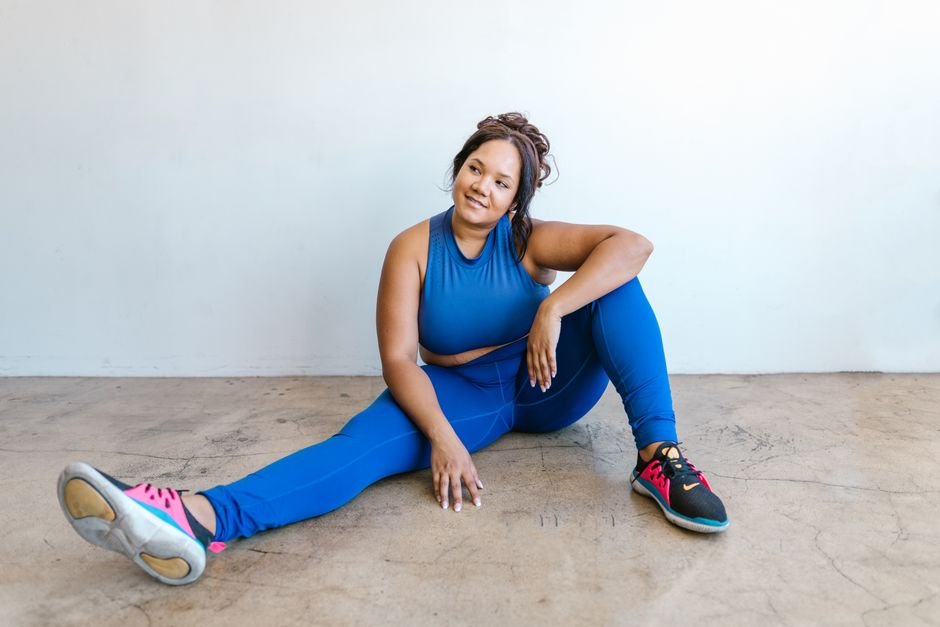
    Okay, let’s talk about moving your body when you’re too tired, too busy, or too “meh” to go to a gym. I’ve been there. My living room is my gym now, and it’s a mess—there’s a yoga mat that’s seen better days, a couple of dumbbells I bought on a whim, and a resistance band that keeps rolling up into a sad little tube. But I’ve learned that fitness at home isn’t about the equipment; it’s about showing up for yourself in the tiniest ways.

    I started with just 10 minutes a day. No joke. I’d put on a YouTube yoga video or do a quick bodyweight circuit while my coffee brewed. Some days I’d just stretch on the floor and call it a win. The key was consistency, not intensity. And here’s the surprising part: the more I moved, the better I slept. It’s like my body finally knew what to do with all the leftover stress from the day.

    Speaking of sleep—I used to be that person who scrolled Instagram in bed until my eyes burned. I’d wake up feeling like I’d been hit by a truck. So I created a little sleep ritual that feels like a hug for my nervous system. About an hour before bed, I dim the lights, light a candle (lavender is my go-to), and read a physical book—no screens. I also started drinking a cup of chamomile tea with a dash of magnesium powder. It’s not sexy, but it works. I fall asleep faster, and I wake up feeling like I actually rested. The other night, I even dreamed in color for the first time in years. That’s a win.

    I want to be honest with you: none of this is about being perfect. I still have days where I eat a whole bag of chips and stay up late watching a show. But the difference is, I don’t beat myself up about it anymore. I just come back to the small, kind habits that make me feel like me. If you’re reading this and feeling overwhelmed, start with one thing. Maybe it’s drinking an extra glass of water. Maybe it’s a 5-minute walk around your block. Maybe it’s just taking a deep breath before you react to something. You are not broken. You are just learning how to listen to your body again, and that’s a beautiful, messy, worthwhile journey.

    So here’s my heartfelt takeaway: You don’t have to have it all figured out. Just keep showing up for yourself, one gentle choice at a time. Your gut, your mind, your body—they’re all on your team. Trust them. 🤍

  • My Clean Beauty Confessions: A Skincare Routine That Actually Works (and a Few Makeup Tricks)

    My Clean Beauty Confessions: A Skincare Routine That Actually Works (and a Few Makeup Tricks)

    Hey friend, grab your coffee (or tea, I won’t judge), and let’s have a real chat. You know those mornings when you look in the mirror and think, “Okay, who is this person and why does she look so tired?” Yeah, me too. Lately, I’ve been on this journey—not just to look younger, but to feel like I’m actually taking care of the skin I’m in. And I’ve learned a few things along the way that I’m dying to share with you. So, let’s dive into my clean beauty routine, a couple of anti-aging tricks that don’t cost a fortune, and a makeup tutorial that’s more about enhancing than hiding. Sound good?

    My Clean Beauty Morning Ritual (That Takes 5 Minutes)

    I’ll be honest: I used to be the girl who’d splash water on her face, slap on whatever moisturizer was on sale, and call it a day. Then I hit my mid-30s, and my skin started throwing little tantrums—dry patches, fine lines, and a weird dullness that no amount of concealer could fix. That’s when I stumbled into the world of clean beauty, and honestly, it felt like coming home.

    My morning routine is now a tiny ritual I actually look forward to. First, I rinse my face with lukewarm water—no cleanser in the morning, because my skin doesn’t need that extra stripping. Then, I use a few drops of a rosehip oil serum. I know, oil on oily skin sounds crazy, but trust me, it balances everything out. I found this one at a local farmers market, and the lady who made it told me it’s packed with vitamin C and natural fatty acids. It smells like a garden, and it makes my skin feel like velvet.

    After that, I apply a light, mineral-based SPF 30 sunscreen. This is non-negotiable, friend. I learned the hard way—after a beach vacation where I forgot to reapply, I came home with a sunburn that turned into a patch of hyperpigmentation that took months to fade. Now, I’m that person who reapplies sunscreen even on cloudy days. My husband thinks I’m crazy, but my skin thanks me.

    Here’s a quick list of my clean beauty staples that don’t break the bank:

    • Rosehip oil – for hydration and a natural glow
    • Aloe vera gel – straight from the plant, for soothing any redness
    • Jojoba oil – as a makeup remover (it’s magic)
    • Green tea toner – I brew it myself and keep it in a spray bottle

    The best part? I know exactly what’s going on my face. No weird chemicals I can’t pronounce, just nature doing its thing. And honestly, my skin has never looked happier.

    Anti-Aging Tips That Don’t Involve a Scalpel (or a Fortune)

    Okay, let’s talk about the elephant in the room: aging. I’ll be 38 next month, and while I’m not afraid of getting older, I do want to do it gracefully. But “gracefully” doesn’t mean expensive creams or painful procedures. For me, it’s about consistency and a few natural ingredients that really work.

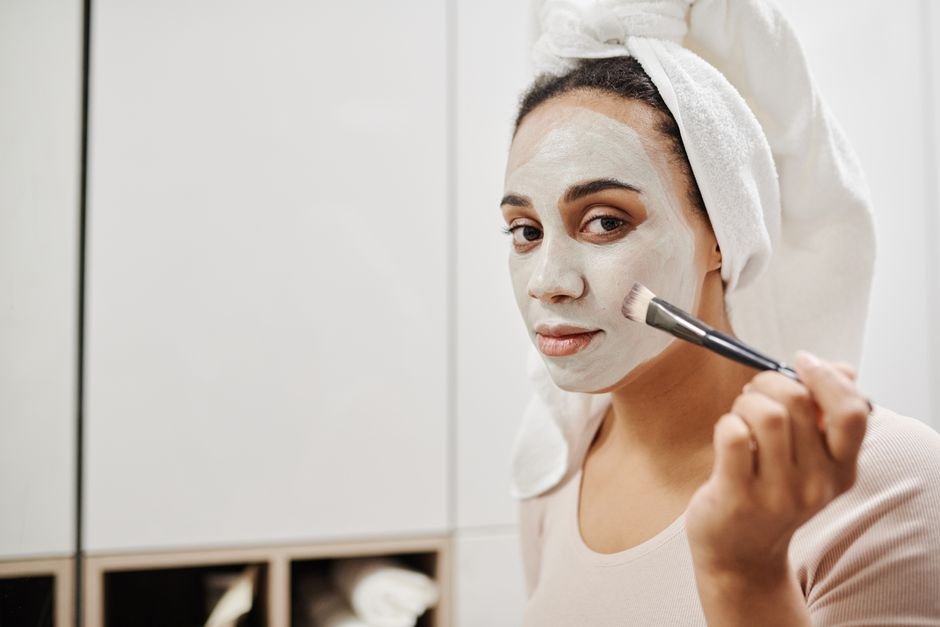
    One of my favorite anti-aging secrets? A DIY face mask I make once a week. I mix a tablespoon of plain yogurt (the probiotic kind), a teaspoon of raw honey, and a few drops of vitamin E oil. I slather it on my face, lie on the couch for 15 minutes, and let the lactic acid in the yogurt gently exfoliate while the honey hydrates. It’s so simple, but it makes my skin look plump and dewy. My friend Sarah tried it and texted me later, “OMG, my skin feels like a baby’s bottom!”

    Another thing I swear by is facial massage. Every night, after I apply my moisturizer, I spend two minutes using my knuckles to gently press and roll along my jawline and cheekbones. It helps with lymphatic drainage—which means less puffiness—and it’s oddly relaxing. I learned this from a YouTube video by a Korean beauty influencer, and now it’s part of my wind-down routine. Plus, it feels like a mini spa treatment without the price tag.

    And can we talk about sleep? I know, I know, it’s boring, but it’s the ultimate anti-aging tool. I started using a silk pillowcase last year, and it’s a game-changer. Less friction means fewer sleep lines, and my hair doesn’t look like a bird’s nest in the morning. Pair that with drinking enough water (I aim for eight glasses, but some days it’s more like four), and you’ve got a recipe for skin that glows from the inside out.

    A Makeup Tutorial for the “I Have 10 Minutes” Girl

    Now, let’s get to the fun part: makeup. I used to spend 30 minutes on a full face, but these days, I’m all about a quick, natural look that makes me feel put-together without looking like I tried too hard. Here’s my go-to tutorial, which I’ve perfected after many rushed mornings.

    Start with a clean, moisturized face. I skip foundation and use a tinted moisturizer with SPF instead—it evens out my skin tone without feeling heavy. Then, I dab a little concealer under my eyes and on any red spots. The trick is to use your ring finger to tap it in, because it’s the gentlest. I learned that from a makeup artist at a wedding, and it changed my life.

    For eyes, I go simple: a swipe of cream eyeshadow in a soft champagne color (it’s clean beauty, of course, from a brand that uses mica and natural pigments), a coat of mascara, and a quick fill-in of my brows with a tinted brow gel. Then, I use a cream blush in a peachy pink—I dab it on my cheeks and a little on my lips for a cohesive look. And finally, a clear lip gloss with a hint of peppermint oil for a plumping effect.

    Here’s the honest part: some days, I skip the mascara and just do the blush and gloss. And you know what? I still feel beautiful. Because makeup isn’t about hiding who we are—it’s about enhancing what’s already there. I remember one morning, I was running late for a coffee date with a friend, and I literally just put on the blush and gloss. She said, “You look so fresh!” And I thought, “See? Less is more.”

    So, friend, here’s my heartfelt takeaway: Your skin is not a project to fix. It’s a living, breathing part of you that deserves kindness, not harsh chemicals or expensive promises. Clean beauty isn’t about perfection—it’s about choosing ingredients that love you back. And as for aging? It’s a privilege. Every line tells a story of laughter, worry, and joy. So wear your sunscreen, do that face mask, and put on that blush. But most of all, smile at the woman in the mirror. She’s doing just fine. 🤍

  • The Art of Enough: How Minimalism Quietly Changed Everything

    The Art of Enough: How Minimalism Quietly Changed Everything

    I’ll be honest with you: I didn’t wake up one day and decide to become a minimalist. It happened slowly, like a tide going out—first my closet, then my calendar, then my mind. I was standing in my kitchen last spring, staring at a drawer full of random takeout menus and expired coupons, and I just felt… heavy. Not sad, just weighed down by stuff I didn’t need, commitments I didn’t want, and habits that weren’t serving me. That’s when I realized I wasn’t looking for less—I was looking for more of what actually mattered. So today, I want to share how this whole “less is more” thing has quietly woven itself into every corner of my life, from my home decor to my travel plans to my morning coffee ritual. Grab your favorite mug, and let’s get real.

    Home Decor: The Joy of Breathing Room

    My living room used to look like a catalog exploded—throw pillows, decorative trays, a gallery wall that felt more chaotic than curated. I was always dusting, always rearranging, always feeling like I was one more candle away from peace. Then, on a whim, I took everything off my coffee table. Just… removed it. I left one wooden bowl with a single dried eucalyptus branch. And I sat there for a full five minutes, just breathing. It felt like my apartment exhaled with me.

    Now, I’m not saying you need to live in a white box with one chair. But I’ve learned that the best decor is the kind that doesn’t scream for attention. Here’s what’s worked for me:

    • Choose three focal points per room. For me, it’s a cozy reading chair, a soft rug, and a piece of art that makes me smile. Everything else is just supporting cast.
    • Use natural textures. A linen throw, a wooden tray, a ceramic vase—they add warmth without clutter.
    • Edit ruthlessly. If I haven’t used or admired something in three months, it goes into a donation box. No guilt, just space.

    I remember the first time a friend came over after my mini-declutter. She walked in and said, “Wow, your place feels so calm.” And I realized—that’s the whole point. Not to impress, but to create a home that lets you breathe.

    Productivity & Wellness Habits: The Magic of One Thing

    I used to be a productivity junkie. I had apps for everything—to-do lists, habit trackers, time-blocking calendars. I was so busy being efficient that I forgot to actually live. One morning, I sat down with my bullet journal, feeling overwhelmed by the sheer number of “shoulds” I had written down. Should meditate. Should meal prep. Should read that book. Should call my mom. I closed the journal and cried. Not because I was sad, but because I was tired.

    So I made a radical change: I now focus on one wellness habit per week. Just one. Last week, it was drinking a full glass of water before coffee. This week, it’s a five-minute stretch when I wake up. That’s it. No grand plans. And you know what? I’m actually doing them. Consistency beats intensity every time.

    For productivity, I use a simple rule I call the “Three Things” method. Every morning, I ask myself: What are the three things that, if done today, would make me feel good about the day? Not everything on my to-do list—just three. It could be “finish that blog draft,” “go for a walk,” and “reply to Sarah’s text.” That’s it. The rest can wait. This tiny shift has saved me from burnout more times than I can count.

    Travel Inspiration: Pack Light, Live Full

    I used to pack for every possible scenario—three pairs of shoes, a rain jacket, a dress for a fancy dinner that never happened. I’d come home with half the clothes unworn and a suitcase that weighed more than my soul. Then, on a trip to Portugal last fall, I decided to try something scary: I packed only a carry-on for two weeks. I chose a color palette (black, cream, and one pop of red) and committed to mixing and matching. And you know what? It was the most freeing travel experience of my life.

    I didn’t spend time deciding what to wear. I didn’t stress about lost luggage. I had room in my bag for a journal, a good book, and a small sketchbook. I sat in a tiny café in Lisbon, sipping a pastel de nata, and felt this incredible lightness. Travel isn’t about what you bring—it’s about what you leave behind. The expectations, the “what ifs,” the overplanning. Minimalist travel taught me to say yes to spontaneity. I wandered into a random fado bar one night, and it became my favorite memory of the whole trip.

    Now, when I travel, I ask myself one question: Will this item help me experience the place, or will it just weigh me down? Usually, the answer is clear.

    The Heartfelt Takeaway

    If I’ve learned anything from this journey, it’s that minimalism isn’t about deprivation. It’s about making space—space for quiet mornings, for deep conversations, for the things that make your heart hum. It’s not a rulebook; it’s a permission slip. Permission to say no to the extra, so you can say a wholehearted yes to what matters.

    So whether it’s your home decor, your daily habits, or your travel plans, I invite you to ask yourself: What can I let go of today to make room for more joy? Start small. Clear one drawer. Take one walk. Pack one less pair of shoes. And see how it feels. I promise you, the space you create will fill itself with something beautiful.

    Here’s to living with intention, one little choice at a time. 🤍

  • My Honest Journey Into Sustainable Fashion (Without Losing My Street Style)

    My Honest Journey Into Sustainable Fashion (Without Losing My Street Style)

    Hey friend, grab your coffee (or tea, no judgment here) and let’s have a real chat. You know those moments when you’re standing in front of your closet, surrounded by clothes, and you still feel like you have nothing to wear? I had one of those meltdowns last spring. I was late for brunch with my girls, tears welling up because I’d bought yet another trendy top that didn’t match anything, and my bank account was crying too. That was my wake-up call. I decided to try something I’d always admired from afar: sustainable fashion, but with a twist—I wanted it to feel like *me*, not some Pinterest-perfect minimalist I didn’t recognize.

    So today, I’m sharing how I built a capsule wardrobe that actually works for my life, keeps my street style vibe alive, and doesn’t make me feel guilty about the planet. Let’s get real about seasonal trends and outfit ideas that are honest, wearable, and totally you.

    Why I Ditched Fast Fashion (And You Might Want To Too)

    I’ll be honest: I used to be that girl who bought a $15 dress for a wedding, wore it once, and shoved it in the back of my closet. It felt like a win—until I realized I was basically throwing money and fabric into a black hole. One day, I found a pile of those “bargain” pieces while cleaning, and I felt this weird mix of shame and exhaustion. That’s when I decided to try something different: a capsule wardrobe. But not the scary kind where you own only 10 items and wear the same gray sweater every day. No, thank you.

    My version of a capsule wardrobe is about having fewer, better pieces that I actually love. I started with a simple rule: every new item has to work with at least three things I already own. And here’s the relatable part—I failed at first. I bought a gorgeous silk blouse that only matched one pair of jeans. It sat in my closet for months. But slowly, I learned to ask myself: “Will I reach for this on a lazy Sunday?” If the answer is no, it stays on the rack.

    Now, my capsule has about 30 pieces (including shoes and accessories), and I rotate them with the seasons. The best part? Getting dressed takes me five minutes, and I feel confident because everything fits my actual life—not some fantasy version of me who goes to cocktail parties every night.

    Street Style That Doesn’t Sacrifice Your Values (Or Your Wallet)

    Okay, let’s talk street style. I love a good oversized blazer with sneakers, or a chunky boot with a flowy dress. But I used to think sustainable fashion meant wearing only beige linen and looking like I’m about to meditate in a forest. Newsflash: it doesn’t. I’ve learned to blend sustainability with my personal edge by focusing on timeless silhouettes and swapping out accessories for seasonal trends.

    Here’s a personal moment: Last fall, I wanted the chunky combat boots trend so badly. But instead of buying a cheap pair that would fall apart, I saved up for a second-hand pair from a vintage shop. They were $60, already broken in, and I’ve worn them for three years. I pair them with everything—jeans, dresses, even joggers. That’s my street style secret: invest in a few statement pieces that are built to last, and then have fun with cheaper, trendier accessories like scarves or belts.

    For spring, I’m loving these outfit ideas that are both sustainable and stylish:

    • A classic trench coat (thrifted) over a white tee and wide-leg jeans (both from ethical brands). Add a pair of clean white sneakers and a colorful beanie—instant cool-girl vibe.
    • A midi slip dress (silk, second-hand) with a chunky cardigan and ankle boots. Perfect for a coffee date or a casual dinner.
    • High-waisted trousers (I got mine from a swap party) with a fitted turtleneck and a crossbody bag. Tuck in the turtleneck, roll up the trousers, and you’re ready for anything.

    The trick is to let your personality shine through. I always add a pop of color—maybe a bright orange bag or a patterned scarf—so I don’t feel like I’m wearing a uniform. And honestly? People compliment my style more now than when I was chasing every trend.

    Seasonal Trends I Actually Follow (Without the Guilt)

    Let’s be real: trends are fun. I’m not about to pretend I don’t get excited when I see a new color or silhouette popping up on my feed. But I’ve learned to embrace them in a way that doesn’t break my budget or the planet. For example, this season, the big trend is “quiet luxury”—think neutral tones, quality fabrics, and minimal logos. Perfect for a capsule wardrobe, right? I already had a cream cashmere sweater and a pair of tailored black pants. So I just added a silk scarf in a soft beige tone from a local artisan. That’s it. One piece, and I feel totally on-trend.

    Another trend I love is “utility chic”—cargo pockets, workwear-inspired jackets, and sturdy boots. I found a vintage cargo jacket at a flea market for $20. It’s been my go-to for hiking, grocery runs, and even date nights. The key is to pick one trend per season that genuinely excites you, and then find it second-hand or from a brand that prioritizes ethics. I promise, you don’t need to buy a whole new wardrobe every three months.

    And here’s a little confession: I still buy fast fashion sometimes. Like, I bought a pair of $10 sunglasses last summer because I lost my nice ones. And I’m not perfect about thrifting every single item. But I’ve stopped beating myself up about it. Sustainability is a journey, not a destination. The goal is to be more mindful, not perfect.

    One of my favorite seasonal rituals is doing a “closet audit” at the start of each season. I pull out everything, try it on, and ask: “Does this still make me feel good?” If not, I donate or sell it. Then I make a list of what’s missing—maybe a new pair of jeans or a lightweight jacket—and I only buy those specific items. It keeps my wardrobe fresh without the clutter.

    So, what’s my takeaway from all this? Sustainable fashion isn’t about deprivation. It’s about freedom. Freedom from the endless cycle of buying, regretting, and repeating. Freedom to dress for *me*, not for some trend report. And freedom to know that my choices—even the small ones—matter.

    Next time you’re staring at your closet, remember: you already have everything you need to look amazing. Just add a little intention, a dash of creativity, and maybe a thrifted treasure or two. You’ve got this, friend. 🤍